
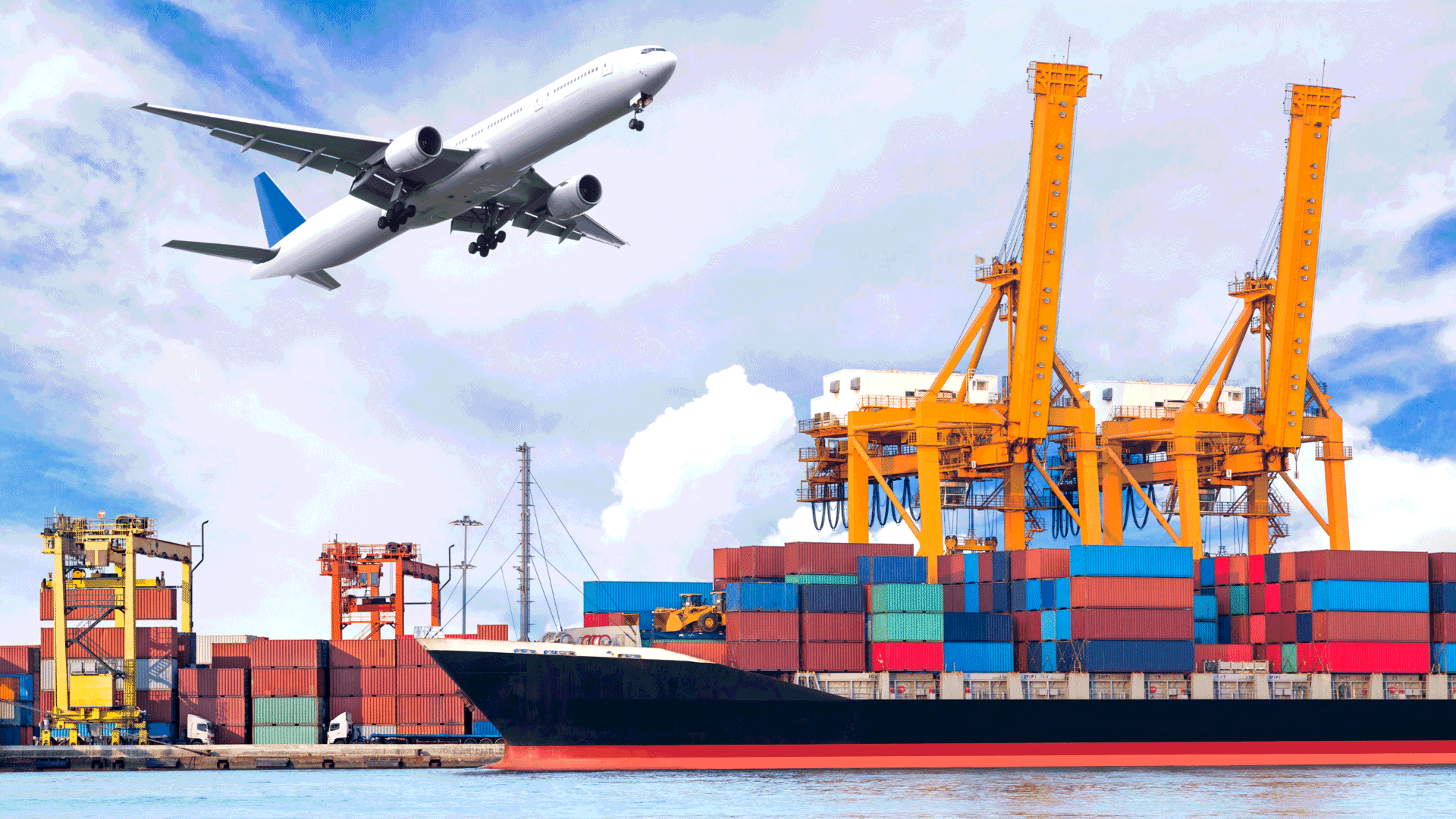

What is a Smart Port?
A Smart Port is defined as a port that is committed to leveraging technology to improve and optimize Ocean freight operations. The goal of process optimization is to improve turnaround times and procedures in order to meet the needs of both customers and users.
Currently, more than 80% of goods traded worldwide are transported by Ocean Freight, and these figures are expected to increase up to fourfold by 2050; consequently, this growth will eventually hinder certain processes. The goal is to ensure that future economic demands—as well as those related to security, port efficiency, and environmental sustainability—can be met through technological solutions that will be implemented and refined year after year.
Benefits of a Smart Port.
There are several advantages to implementing smart ports:
- Technological or digital transformation across all port operations—such as loading, unloading, and warehousing—to generate greater profits
- Energy efficiency, as potential risks to ocean freight—whether weather-related or due to pollution levels—will be more easily detected.
- Business transformation driven by the inevitable automation of administrative processes.
- Increased commercial profitability, thanks to the optimization of port operations and cargo movements, will make the Ocean freight process more efficient in terms of time and resources, which can have a direct impact on costs and the final price of products and services.
Current Changes.
Smart ports are on the rise, and there are increasing industrial advancements in ships and machinery. This is coupled with new regulations regarding environmental protection and the shift toward green logistics.
With the aim of making operations more efficient, the Mexican government implemented the “Puerto Inteligente Seguro” system, a digital platform that can be adapted to each port authority; its primary objective is to improve levels of trust and cybersecurity efficiency, as these are critical for port paperwork and operations.
The goal of this platform is for it to serve as a model for information exchange with other platforms, so that everyone has access to the information they need to operate efficiently, so that administrative issues do not cause delays in the flow of goods, and so that the process is quite streamlined.
Freight forwarders can gain a competitive edge if they take the right steps to address upcoming challenges.