
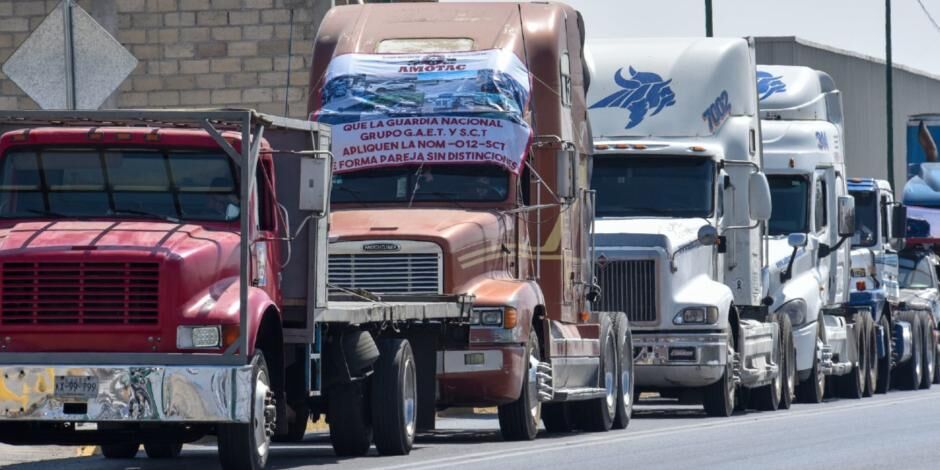
Freight theft is one of the most tangible and costly risks in logistics operations in Mexico. According to industry data, between 800 and 1,200 incidents of total theft are reported each month on the country’s major routes, with losses exceeding 1.5 billion dollars annually. For a company that manages its clients’ supply chains, this risk is not abstract—it is operational.
The Highest-Risk Corridors
The map of cargo theft in Mexico shows that critical hotspots are concentrated along specific corridors:
Puebla–Veracruz Corridor: Historically the one with the highest incidence, especially on sections of the toll highway and in the Acatzingo and Amozoc areas.
Mexico–Querétaro Highway: Critical for the industrial Bajío region, with frequent incidents on sections in Hidalgo and the State of Mexico.
Northern Routes (Tamaulipas, Nuevo León): High incidence linked to organized crime, especially involving high-value shipments of electronics, food, and auto parts.
Mexico City Metropolitan Area: Robberies in the “last kilometer,” primarily targeting vehicles that are parked or stuck in heavy traffic.
Operational Mitigation Strategies
Logistics companies operating in high-risk areas implement specific protocols:
Real-time GPS monitoring: Not just passive tracking, but automatic alerts for route deviations, unscheduled stops, or device shutdowns. Advanced systems include panic buttons for the driver and direct communication with 24/7 monitoring centers.
Stop protocols: Clear rules on where operators may stop, with preference given to gas stations with closed-circuit surveillance and identified safe zones along the route.
Armed escort: For high-value goods (expensive auto parts, electronics, pharmaceuticals), an unmarked escort vehicle is standard on high-risk routes.
Driver Selection and Retention: Drivers with seniority, verified references, and route knowledge have a lower incidence of incidents. Excessive driver turnover increases risk.
The Role of Insurance
No security protocol eliminates risk 100%. Therefore, properly structured cargo insurance coverage is part of the service offered by any professional logistics operator.
Cargo insurance policies in Mexico cover everything from total theft to partial damage, but the terms vary significantly. Operators who advise their clients on adequate coverage—rather than offering only the minimum required—build long-term relationships based on trust.
Technology as a Safety Enabler
Logistics intelligence systems that process historical data on incidents, weather conditions, and real-time reports allow dispatchers to select alternative routes before a risk materializes.
Investing in security technology is not an expense—it is part of the cost of providing a reliable service in the Mexican market.