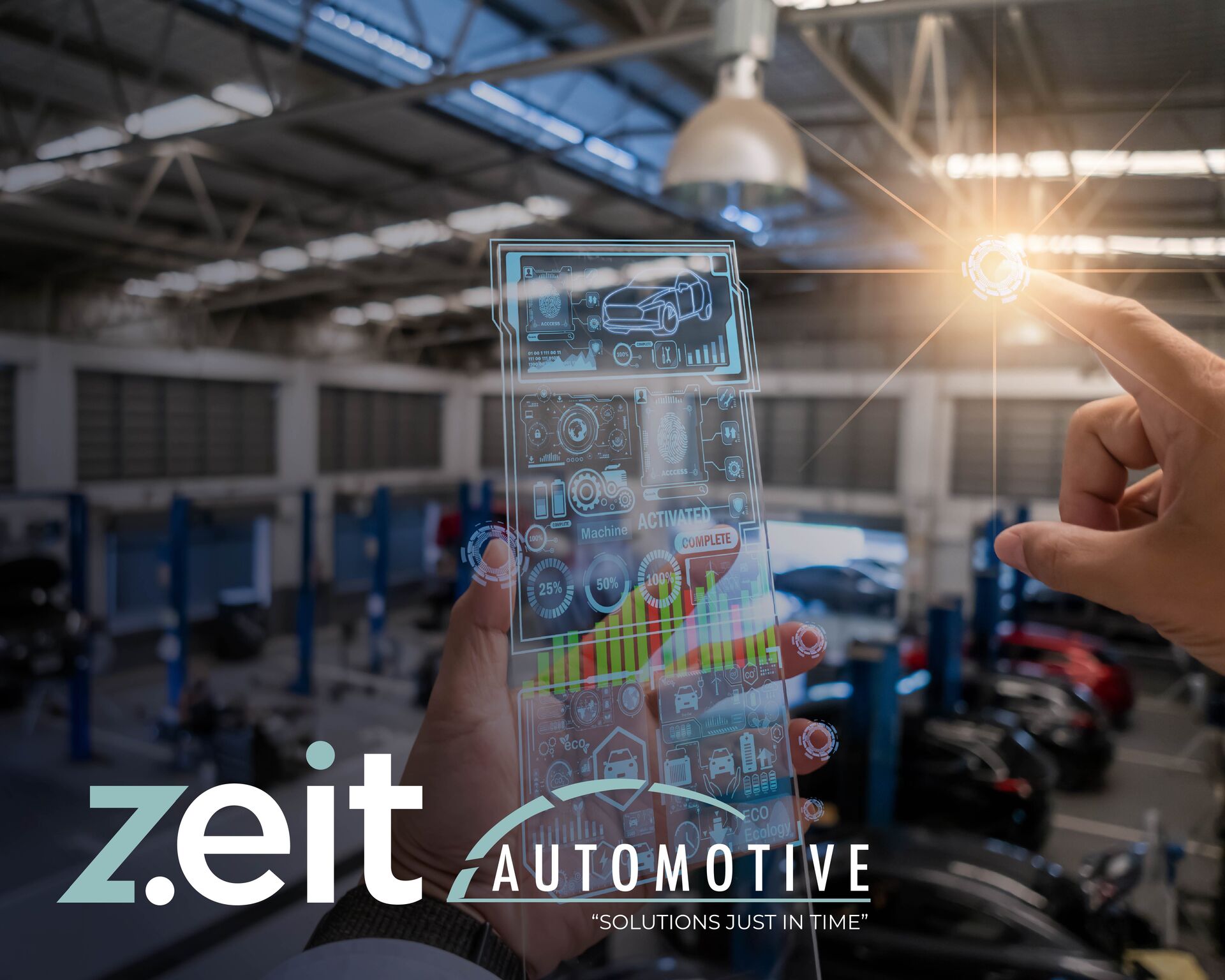
The automotive supply chain in Mexico entered 2025 with an agenda of accelerated transformation. Pressures from nearshoring, OEMs’ sustainability requirements, and the widespread adoption of artificial intelligence in logistics operations are redefining what it means to be a competitive 3PL operator in the Bajío region.
Artificial Intelligence in Route Planning
AI-based route optimization systems are no longer exclusive to large global logistics corporations. In 2025, affordable solutions for mid-sized operators make it possible to calculate the optimal combination of vehicles, routes, and schedules in minutes, taking into account variables such as historical traffic data, traffic restrictions in industrial cities, and plant receiving windows.
The result: an 8–15% reduction in empty-mileage and improved delivery punctuality on local and regional distribution routes.
Automation in Distribution Centers
3PL warehouses in the Bajío region are adopting automation technologies once reserved for global operators: automatic sorting systems (sorters), autonomous guided vehicles (AGVs) for internal pallet movement, and RFID readers for real-time inventory control.
This automation does not eliminate the human factor—it enhances it. Operators trained in automated systems management and data analysis become critical and higher-paid professionals.
End-to-End Digital Traceability
By 2025, OEMs and Tier 1 suppliers in the automotive sector will require complete visibility of their components from source to the assembly line. This involves API integration between the logistics operator’s system and the customer’s ERP systems (SAP, Oracle), with automatic status updates at every point in the supply chain.
Operators unable to offer this digital integration will be excluded from high-value contracts.
Intelligent multimodal management
The transport of automotive components in Mexico rarely relies on a single mode of transportation. A shipment may begin as air freight from Europe (for a critical component), continue as ocean freight from Rotterdam to Manzanillo (for standard-volume cargo), and conclude with ground transportation to the Bajío region. Coordinating these modes with a single provider that offers full visibility reduces transit times, costs, and documentation risks.
The Window of Opportunity
2025 and 2026 are years of consolidation: operators who invest in technology, talent, and certifications now will be positioned to secure contracts from the upcoming waves of nearshoring investment. Those who do not will be relegated to lower-value segments.