
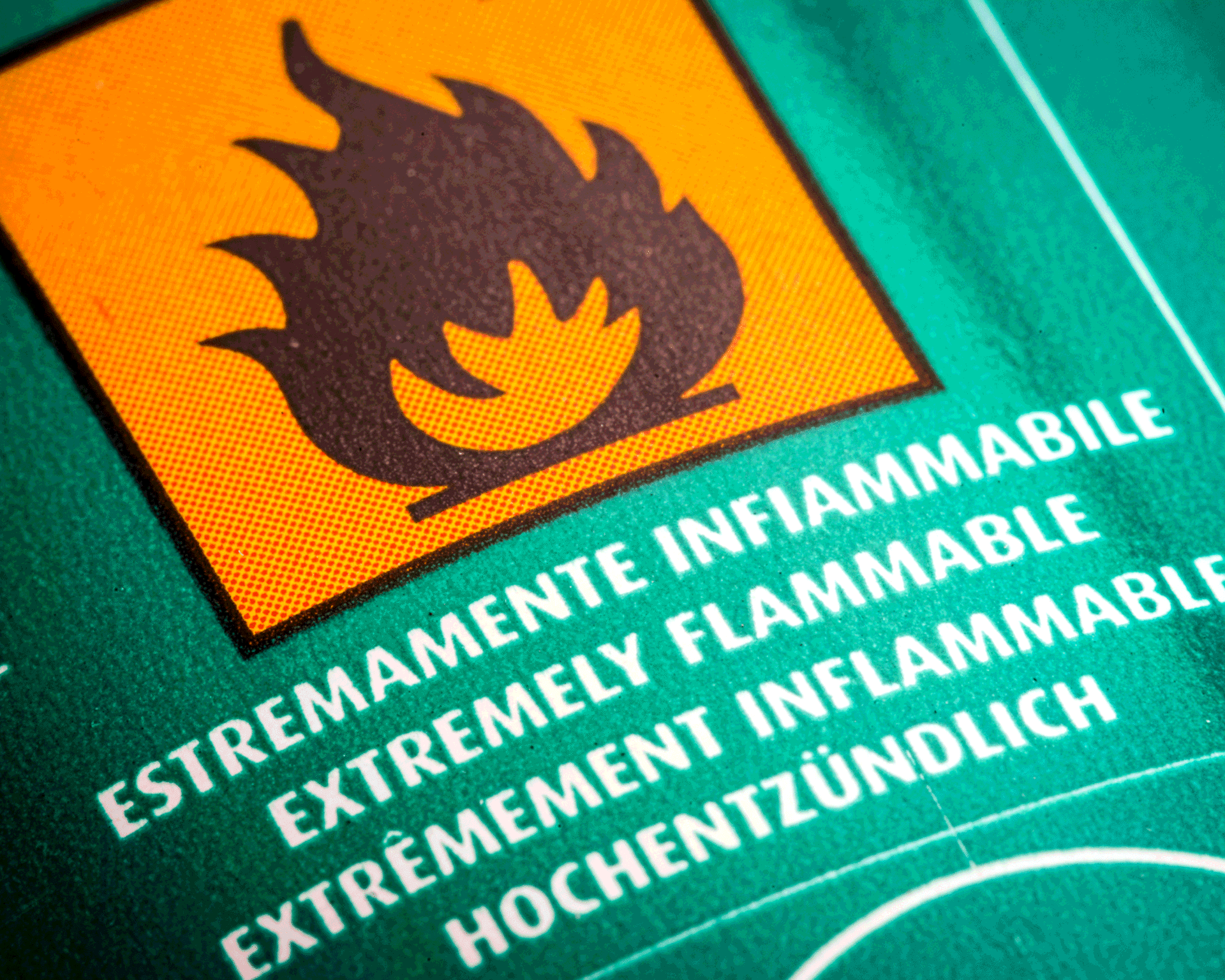

What is IMO cargo?
The acronym IMO refers to the International Maritime Organization and encompasses all products and materials that, due to their characteristics, meet the criteria for one or more of the nine hazard classes.
IMO Classification
Dangerous goods also need to be transported from one place to another. This requires controlled systems and protocols that are effective in ensuring these shipments are carried out as safely as possible.
To this end, the United Nations (UN) Committee of Experts has developed an IMO classification of goods, which is used in all modes of transport (maritime, air, rail, and land).
Some hazard classes are further subdivided into hazard divisions due to the broad scope of the class; dangerous goods are classified as follows:
Class 1 – Explosives.
- Division 1.1 – Substances and articles that present a mass explosion hazard.
- Division 1.2 – Substances and articles that present a projection hazard but no risk of mass explosion.
- Division 1.3 – Substances and articles that present a fire hazard and a minor explosion hazard or a minor projection hazard, or both, but not a mass explosion hazard.
- Division 1.4 – Substances and articles that do not present a significant hazard.
- Division 1.5 – Very insensitive substances that present a mass explosion hazard.
- Division 1.6 – Extremely insensitive articles that do not present a mass explosion hazard.


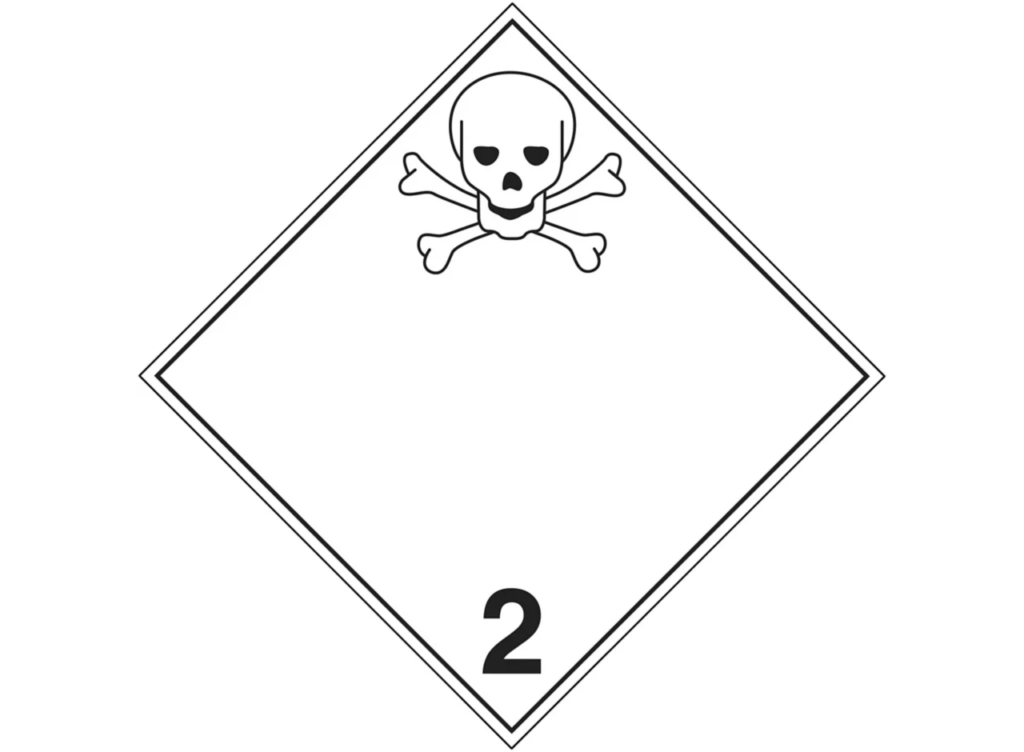
Class 2 – Gases.
- Division 2.1 – Flammable gases.
- Division 2.2 – Non-flammable, non-toxic gases.
- Division 2.3 – Toxic gases.


Class 3 – Flammable liquids.
This class has no subdivisions.

Class 4 – Flammable solids; Substances liable to spontaneous combustion; Substances that, in contact with water, emit flammable gases.
- Division 4.1 – Flammable solids, self-reactive substances, polymerizing substances, and desensitized solid explosives.
- Division 4.2 – Substances that may undergo spontaneous combustion.
- Division 4.3 – Substances that, in contact with water, release flammable gases.

Class 5 – Oxidizing Substances and Organic Peroxides.
- Division 5.1 – Oxidizing substances.
- Division 5.2 – Organic peroxides.


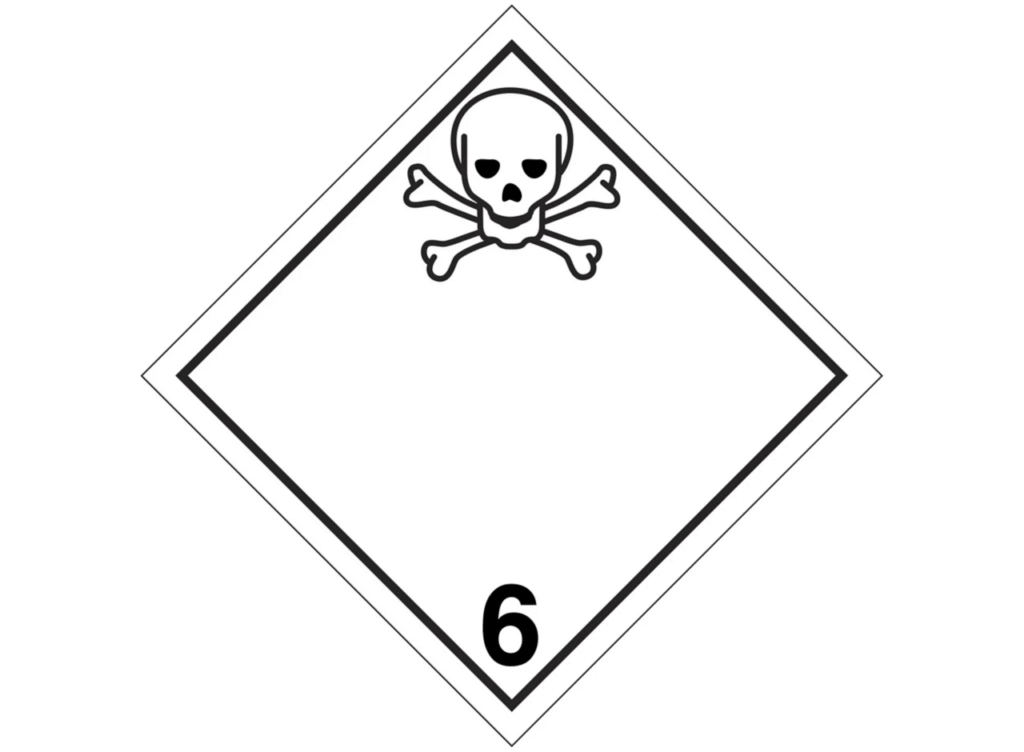
Class 6 – Toxic and Infectious Substances.
- Division 6.1 – Toxic Substances.
- Division 6.2 – Infectious substances.

Class 7 – Radioactive Material.
This class has no subdivisions.


Class 8 – Corrosive substances.
This class has no subdivisions.

Class 9 – Miscellaneous dangerous substances and articles, including substances hazardous to the environment.
This class has no subdivisions.
